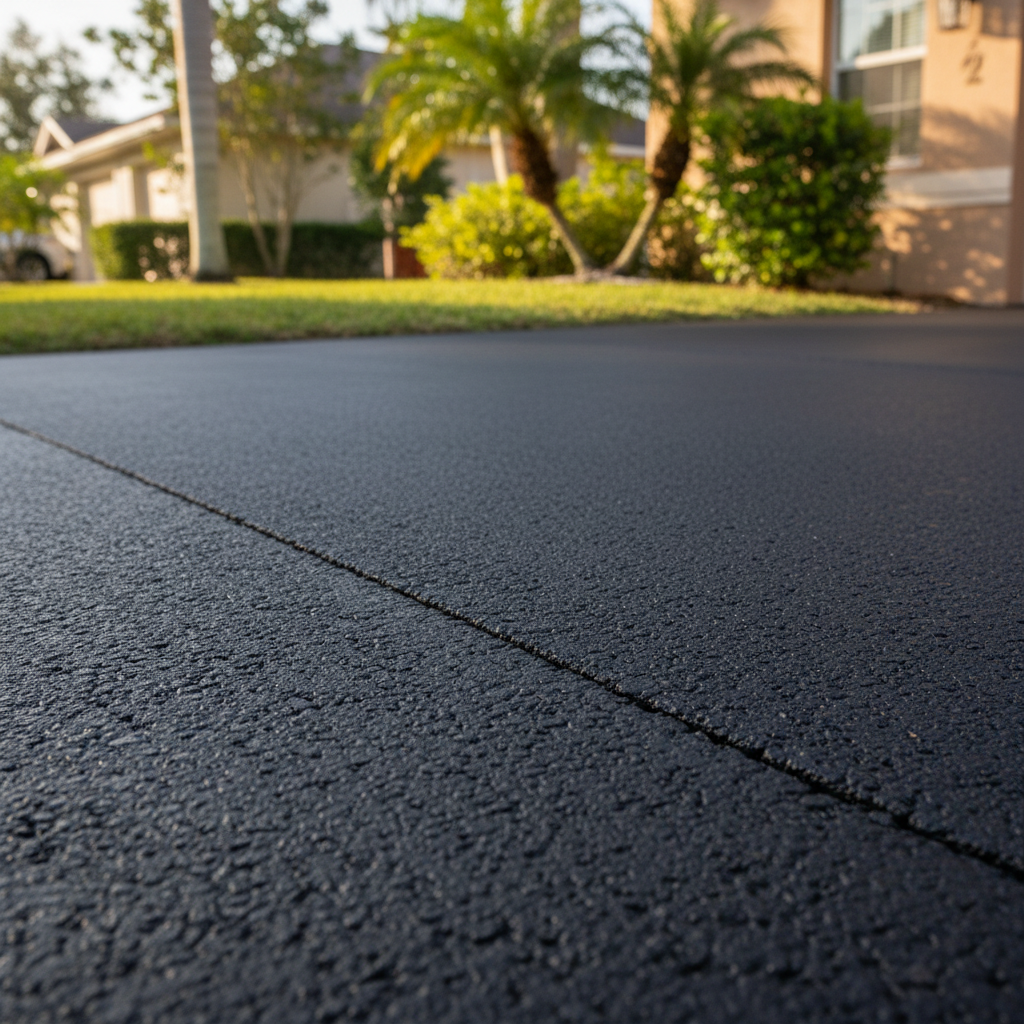
Alright, let's talk driveways. I get a lot of calls from folks around Plantation, and while every situation's a little different, some questions just keep popping up. So, I figured I'd lay out the honest answers to what you're probably wondering about your driveway paving project. No sales pitch here, just the straight goods from someone who's been doing this for a while.
What's the real difference between asphalt and concrete for a driveway?
This is probably the most common question I hear. Look, both asphalt and concrete can make a good driveway, but they're not the same beast. Asphalt, that's what we specialize in at Majestic Asphalt Solutions, is more flexible. Think of it like a really thick, tough blanket. It handles our South Florida heat and the occasional heavy downpour pretty well because it can expand and contract without cracking as much as concrete does. It's also generally quicker to install and usually costs a bit less upfront. On the flip side, it needs regular sealcoating to protect it from UV rays and chemicals, usually every 2-3 years. Concrete, that's the rigid stuff. It's super durable and can last a very long time with minimal maintenance, but it's more prone to cracking from ground movement or heavy loads, especially if the base isn't perfect. Repairing concrete can also be more complex and often leaves a visible patch. So, if you're looking for something that's a bit more forgiving with our sandy soils and you don't mind a little maintenance, asphalt is often the way to go. If you want something you can essentially 'set and forget' for decades, and you're willing to pay more for it, concrete might be your pick – but be prepared for potential crack repairs down the line.
How long does a new asphalt driveway actually last in Plantation?
A good asphalt driveway, properly installed and maintained, can easily last 15 to 20 years, sometimes even longer. But 'properly installed' and 'maintained' are the key phrases there, especially here in Plantation. The intense sun we get bakes the asphalt, and the heavy rains can cause issues if drainage isn't right. Regular sealcoating is crucial – it's like sunscreen for your driveway, protecting it from UV damage, water penetration, and oil spills. If you neglect that, you'll see it degrade much faster. Also, the quality of the base material underneath the asphalt makes a huge difference. If that's not stable, you'll get cracks and potholes prematurely, no matter how good the top layer is.
What causes cracks and potholes, and can they be prevented?
Cracks and potholes are usually a sign of a few things. First, age and wear and tear are natural. Over time, the binders in the asphalt break down from sun exposure and oxidation. Second, water is a big enemy. When water seeps into small cracks, freezes (not often here, but it happens up north) or expands and contracts with heat, it weakens the base and pushes up the asphalt. Third, heavy loads, like parking a big RV on a driveway not built for it, can cause stress and cracking. Finally, a poor base or improper drainage can lead to structural failure. Can they be prevented? Mostly, yes. Good initial installation with a solid, well-drained base is key. Then, consistent sealcoating every few years keeps the surface protected. Promptly repairing small cracks with crack filler before they turn into major problems is also a big deal. Don't let those little hairline cracks become alligator cracking; that's when you know you're in trouble.
How long before I can drive on my new asphalt driveway?
This is a common one, and I get it – you want to use your new driveway! Generally, you should wait at least 24 to 48 hours before driving or parking a regular passenger vehicle on a newly paved asphalt driveway. For heavier vehicles, like trucks or SUVs, I'd recommend waiting a full 3 to 5 days if you can. The asphalt needs time to cool and harden completely. Even after that initial period, it's still curing and gaining strength for several months. For the first few weeks, try to avoid turning your steering wheel while the car is stationary on the asphalt; that can scuff and mar the surface. Also, don't park in the exact same spot every day for the first month or two, especially during hot weather, as it can create depressions. Just be gentle with it at first, and it'll serve you well.
Do I need a permit for driveway paving in Plantation?
Most of the time, yes, you'll need a permit for a new driveway installation or a significant replacement in Plantation. It's not just about the paving itself, but often about ensuring proper drainage and making sure you're not encroaching on utility easements or public rights-of-way. The city wants to make sure everything is up to code and won't cause issues for your neighbors or the public infrastructure. A reputable contractor, like us at Majestic Asphalt Solutions, will handle all the necessary permitting for you. We know the drill with the City of Plantation's building department, so you don't have to worry about it. It's a critical step that shouldn't be skipped; otherwise, you could face fines or even have to tear out your work.
What's the deal with drainage, and why is it so important for my driveway?
Drainage is absolutely critical, especially here in South Florida where we get those torrential afternoon downpours. If water pools on or around your driveway, it's going to cause problems. Standing water can seep into cracks, erode the base material, and lead to premature deterioration, potholes, and even structural failure. A well-designed driveway will have a slight slope, or 'crown,' to direct water away from your home's foundation and off the paved surface. We'll often incorporate swales, catch basins, or proper grading to ensure water flows efficiently into storm drains or designated runoff areas. Ignoring drainage is like building a house without a roof – it's just asking for trouble down the line. It's one of the first things I look at when I'm assessing a driveway project.
How much does a new asphalt driveway cost?
This is the million-dollar question, right? And honestly, there's no single answer without seeing your specific situation. The cost depends on several factors: the size of your driveway, the current condition of the area (do we need to remove old pavement? Is the base good?), the type of sub-base required, and any drainage solutions we might need to put in. The thickness of the asphalt layer also plays a role. What I can tell you is that we'll come out, take a look, measure everything, and give you a clear, itemized estimate. We'll discuss all your options and make sure you understand exactly what you're paying for. You're investing in your home, and we want to make sure it's done right and lasts.
Hopefully, that clears up some of the big questions you've got about driveway paving. It's a big decision for your home, and you deserve honest answers. If you're in Plantation or the surrounding areas and you're thinking about your driveway, give us a call. We're happy to come out and talk through your specific needs.