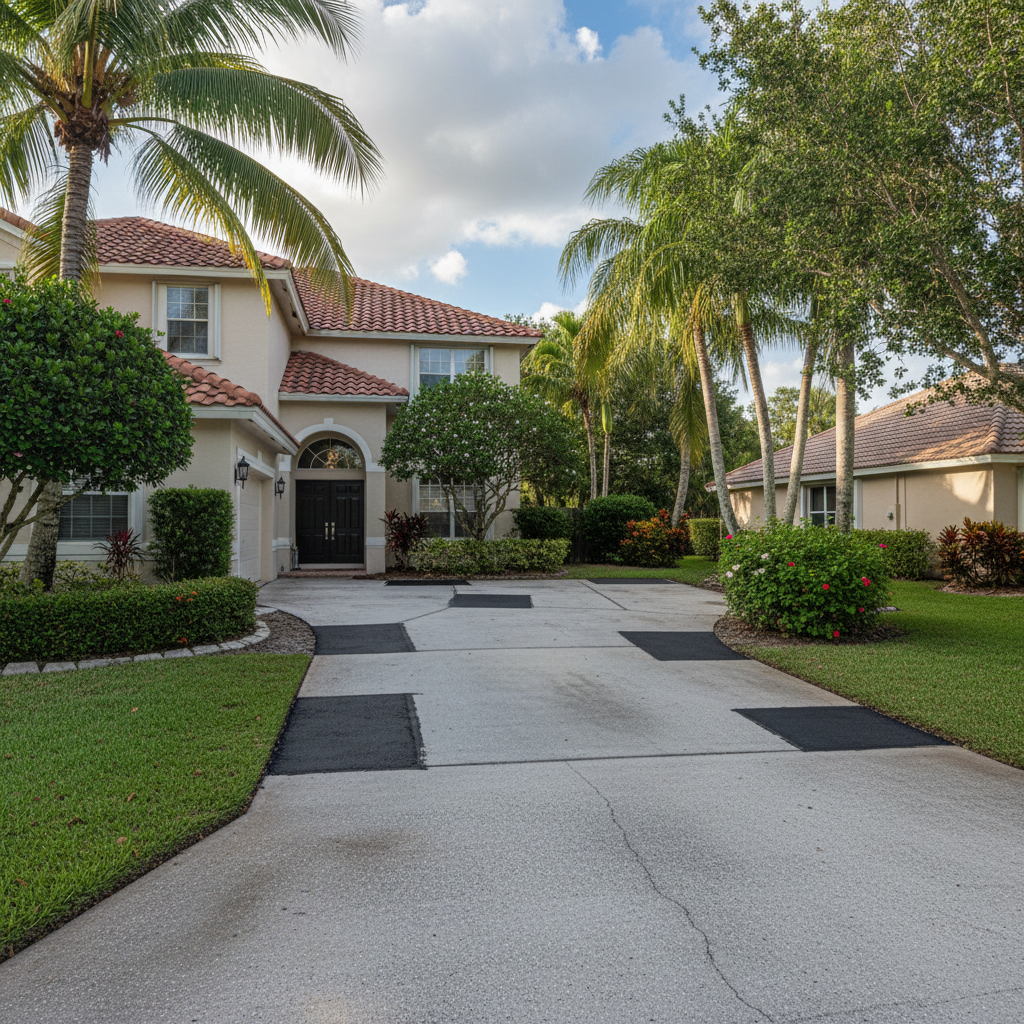
Got some ugly cracks or potholes messing up your driveway or private road? You're definitely not alone. Here in Plantation, with our intense sun, heavy rain, and all those cars driving over it, asphalt really takes a beating. Patching isn't just about making things look better; it's about protecting your investment and stopping those small issues from becoming much bigger, more expensive problems later on. So, let's chat about how to handle an asphalt patching project the smart way.
Setting Expectations: Your Project Timeline
Okay, so how long does this whole thing actually take? Well, it's not an overnight miracle, but it's usually a lot faster than tearing everything out and repaving. Once you've decided to go with a contractor, here's a general idea of the timeline:
- First Contact & Estimate: This part can take anywhere from a few days to a week. A good contractor will want to come out, see the damage up close, measure things, and talk through all your options. Don't rush this step, it's important.
- Scheduling the Work: Depending on the time of year and how busy the contractor is, you might be looking at a few weeks out. Spring and fall are usually our busiest times, though sometimes we can fit smaller patch jobs in sooner.
- The Work Day Itself: For most residential patching jobs, we're usually done in a single day. Larger, more complicated areas might need two days, but that's less common for homeowners.
- Curing Time: This is super important. After we lay down that hot asphalt, it needs time to cool off and get hard. You'll typically need to keep traffic off it for at least 24-48 hours, maybe even longer if it's a really deep patch or if it's super hot outside. Your contractor will give you specific instructions, of course.
What Happens on Patch Day?
You've got the date set, so what then? When the crew arrives, here's what you can expect:
- Preparation is Key: We don't just dump new asphalt on top of the old stuff. We'll cut out the damaged sections in neat, square or rectangular shapes. This gives us a clean edge to work with. Then, we'll clean out any debris, loose material, and sometimes even put down a tack coat to help the new asphalt stick.
- Laying the Hot Mix: Once the area is ready, we'll bring in the hot asphalt mix. This stuff is seriously hot, so please stay clear! We'll shovel and rake it into the prepared area, making sure it's level with the surrounding pavement.
- Compaction: This is where the real magic happens. We use heavy vibratory rollers or plate compactors to press the new asphalt down, making it dense and strong. Proper compaction is what makes a patch last, stopping it from sinking or falling apart too soon.
- Finishing Touches: We'll make sure the edges are smooth and blend in as nicely as possible. Then, it's all about letting it cure.
How to Get Ready for the Crew
You can definitely help make the project go smoothly. Here's what I suggest:
- Clear the Area: Move your cars, boats, RVs, trash cans, basketball hoops — anything that's on or near the asphalt we're patching. We need clear access, plain and simple.
- Tell Your Neighbors: If the work might affect their access or create some noise, give them a heads-up. It's just good neighborly practice, right?
- Secure Pets & Kids: Hot asphalt and heavy machinery are not safe for curious pets or children. Keep them well away from the work zone.
- Ensure Access to Water/Power (if needed): For some jobs, we might need access to an outdoor spigot or an electrical outlet. Ask your contractor if this will be the case for your project.
Questions to Ask Before You Sign That Contract
Don't just pick the first quote you get. Ask these questions to make sure you're getting a quality job:
- What specific patching method will you use? (For example, cut-and-patch, infrared, skin patch – cut-and-patch is usually best for lasting repairs, just so you know).
- What kind of asphalt mix do you use? (A good contractor will know the right mix for our Florida climate and traffic conditions here in Plantation).
- How do you prepare the area before laying new asphalt? (Listen for details about cutting, cleaning, and tack coats).
- What's your process for compaction? (They should definitely mention rollers or plate compactors).
- What's the recommended curing time, and what are the traffic restrictions? (Get this in writing, it's important).
- Do you offer a warranty on your patching work? If so, for how long? (A reputable company like Majestic Asphalt Solutions stands behind their work).
- Are you licensed and insured in Florida? (Always, always ask for proof!)
- Can you provide references from other homeowners in Plantation? (Seeing their work or talking to past clients is invaluable, don't you think?).
Getting your asphalt patched doesn't have to be a headache. With a little planning and by asking the right questions, you'll get a durable repair that stands up to our Plantation weather and keeps your property looking good.