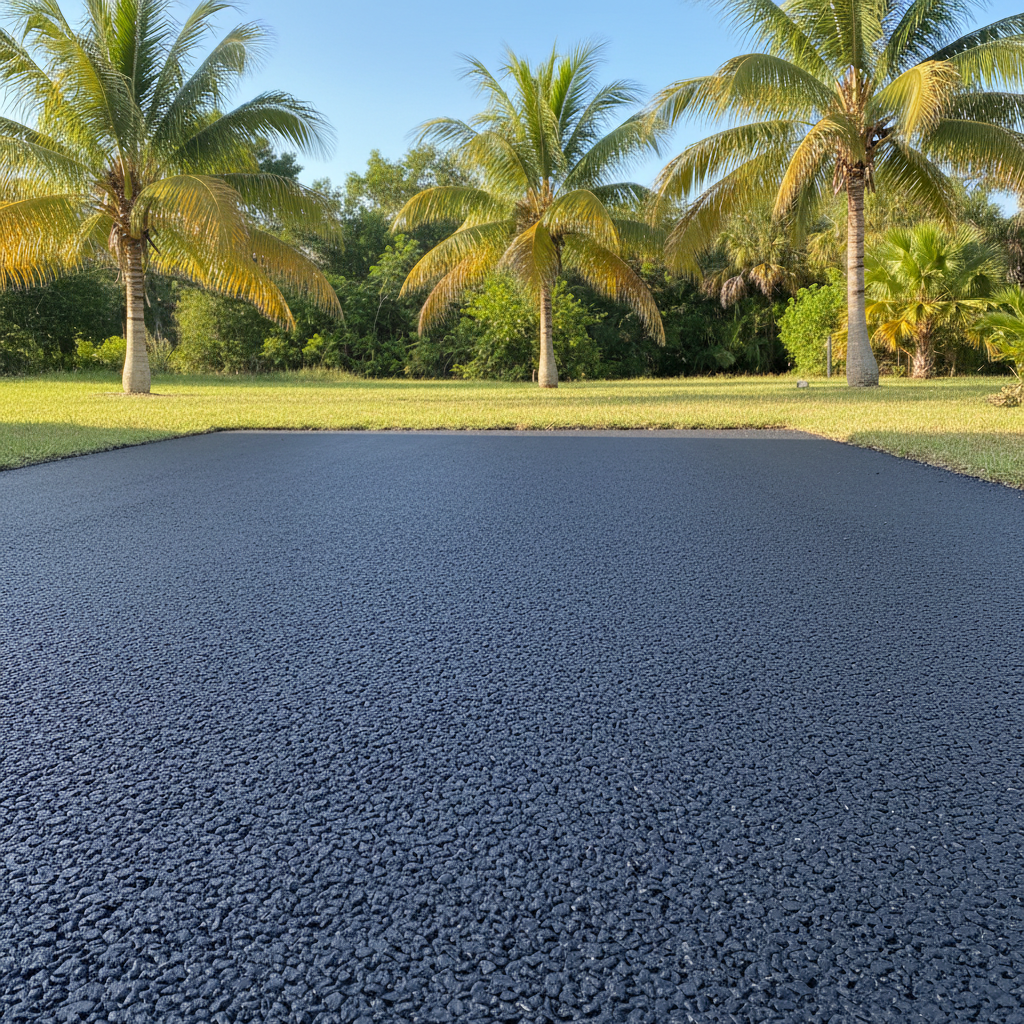
Alright, let's talk asphalt. I get a lot of calls and questions from folks right here in Plantation, from Jacaranda to Central Park, about their driveways. It's a big investment, you know, and you want to make sure you're getting straight answers, not just some sales pitch. So, I've pulled together some of the most common questions I hear, and I'll give you the real deal, no sugarcoating.
What's the real difference between asphalt and concrete for a driveway?
This is probably the question I get asked most often. Look, both materials have their place, but for driveways, asphalt often makes more sense, especially down here in South Florida. Concrete is rigid. When our soil shifts – and believe me, it shifts, particularly with all the rain we get and the clay underneath – concrete cracks. It'll crack in big, ugly, spiderweb patterns, and then you're looking at expensive repairs or even a full replacement. Asphalt, on the other hand, is flexible. It can handle a bit of movement without cracking. It's also generally cheaper to install upfront and easier to repair. You can patch asphalt pretty seamlessly; concrete patches, though, often stick out like a sore thumb. Plus, asphalt heats up less in our intense sun. It's a small comfort, but a comfort nonetheless.
How long should a new asphalt driveway last in Plantation?
If it's installed right and you take care of it, a new asphalt driveway should easily last you 15 to 20 years, sometimes even longer. The key words there are "installed right" and "take care of it." A good base is crucial – you can't skimp there. And proper drainage? That's non-negotiable, especially with our rainy season. If water sits on your driveway, it's going to break down the asphalt much faster. Regular sealcoating, which I've talked about before, and addressing small cracks quickly are also big factors. Think of it like your car; neglect it, and it won't last as long.
What causes cracks and potholes, and can they really be fixed?
Cracks and potholes usually come from a few things: water getting in, heavy loads, and the natural expansion and contraction from temperature changes. Water is the biggest enemy, hands down. It gets into tiny cracks, freezes (not often here, but it can happen during cold snaps), expands, and then when it thaws, it leaves a void. Traffic then pounds on that weak spot, and boom, pothole. Or, our intense sun and heat can make the asphalt brittle over time, leading to surface cracks. Yes, they can absolutely be fixed! Small cracks can be filled with a good quality crack filler. Potholes need to be cleaned out, squared off, and then filled with new asphalt and compacted properly. Don't let them sit; they'll only get worse and more expensive to fix.
How long after a new asphalt driveway is installed can I drive on it?
Most of the time, you can drive on a new asphalt driveway within 24 to 48 hours. But here's the catch: it's still curing. It takes several months for asphalt to fully harden and gain its maximum strength. So, for the first few weeks, I'd tell you to be gentle. Avoid turning your wheels sharply while standing still – that's called power steering marks, and it can scuff the fresh asphalt. Try not to park heavy vehicles in the same spot every day for extended periods, especially during the hottest part of the day. And definitely no heavy equipment or trailers for at least a month, if you can help it.
My driveway looks faded and gray. Does it need to be replaced?
Not necessarily! A faded, gray appearance usually means your asphalt is oxidizing from sun exposure and losing its natural oils. This is where sealcoating comes in handy, but since we've covered that, let's talk about what it means for the asphalt itself. It doesn't automatically mean structural failure. If the surface is still smooth, without widespread cracking or potholes, a good cleaning and a fresh sealcoat can often restore its deep black color and protect it from further oxidation. It's like putting sunscreen on your skin – it protects it from the harsh Florida sun. Only if you're seeing significant crumbling, large areas of alligator cracking, or major depressions, then we might start talking about resurfacing or replacement.
What's the deal with drainage? Why is it so important for my driveway?
Drainage is everything, especially in a place like Plantation where we get torrential downpours. If water isn't directed away from your driveway, it's going to pool. Standing water softens the asphalt, seeps into the base, and eventually undermines the entire structure. That's how you get potholes, cracks, and ultimately, a failing driveway. A good asphalt contractor will always assess your property's grade and make sure the driveway has a slight slope to shed water efficiently. Sometimes, this means adding a small swale or directing water to a specific area. Don't underestimate the power of water; it's relentless.
Got more questions? Don't hesitate to reach out to Majestic Asphalt Solutions. We're right here in Plantation, and we've seen it all. We're happy to take a look at your driveway and give you an honest assessment.